
Written By Reverend Dr. Hasan Rucker
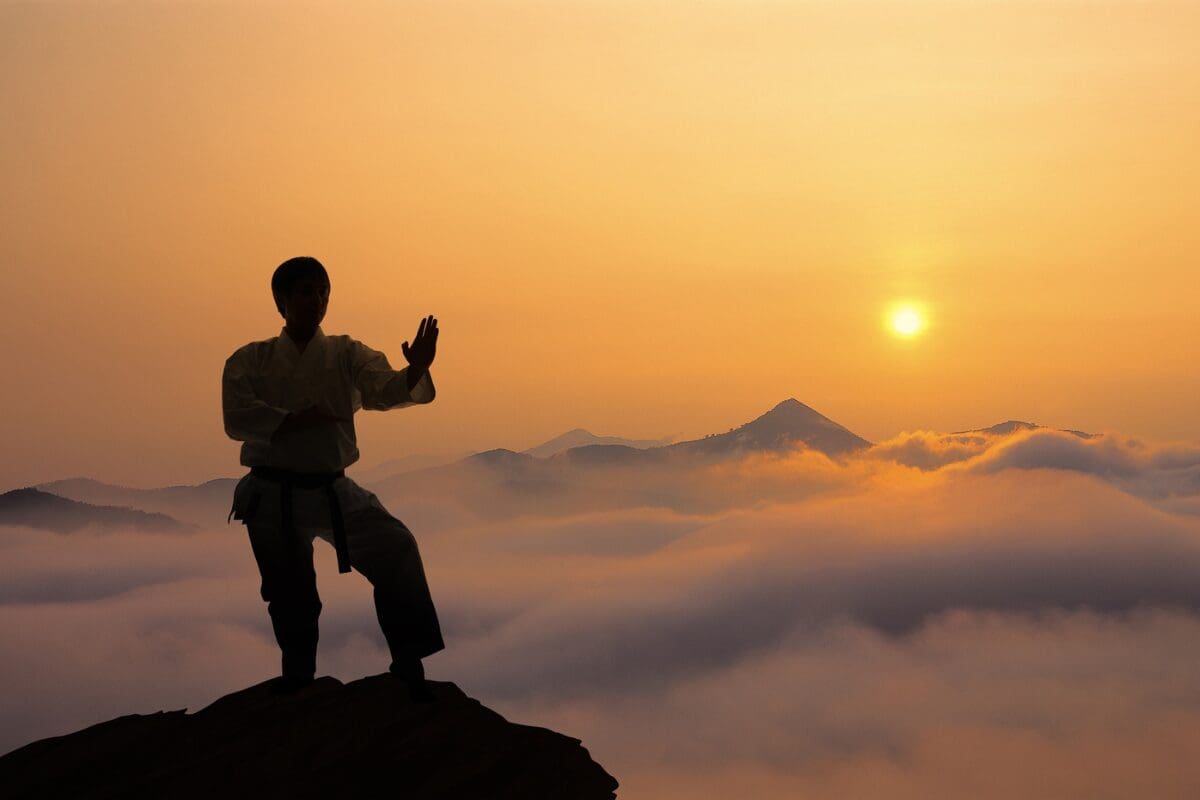
For many people, stress has become almost unavoidable. They live in a constant state of tension—mentally, emotionally, and physically—without realizing how deeply it impacts their health. Tai Chi offers a gentle yet powerful way to calm the nervous system, restore balance, and reconnect with your natural flow of Qi (life force energy).
Often described as meditation in motion, Tai Chi combines slow, intentional movements with breath awareness and mindful presence. According to Harvard Health, Tai Chi has been shown to reduce stress, improve mood, and support overall wellbeing (Harvard Health – The Health Benefits of Tai Chi)
Below are five simple Tai Chi practices you can begin using today to reduce stress and cultivate inner calm.
1. Standing Wuji Posture (Empty Stillness)
The Wuji posture is the foundation of Tai Chi and one of the most effective ways to reset your nervous system.
How to practice:
- Stand with feet shoulder-width apart
- Knees slightly bent, shoulders relaxed
- Arms resting naturally at your sides
- Spine tall, chin gently tucked
- Eyes softly open or closed
Focus on slow, natural breathing and imagine tension melting downward into the ground.
Why it works:
This posture signals safety to the body, helping shift you out of fight-or-flight and into a parasympathetic (rest-and-digest) state. It also allows Qi to settle and circulate smoothly. Research from the National Center for Complementary and Integrative Health (NCCIH) highlights Tai Chi’s ability to reduce stress and support mental health through gentle movement and breath regulation (NCCIH – Tai Chi).
Practice time: 2–5 minutes daily
2. Tai Chi Breathing (Abdominal Breathing)
Stress often causes shallow chest breathing, which keeps the body in a heightened state of alert. Tai Chi breathing reverses this pattern.
How to practice:
- Place one hand on your lower abdomen
- Inhale slowly through the nose, expanding the belly
- Exhale gently through the mouth, allowing the belly to soften
- Keep the breath smooth and unforced
Why it works:
Deep abdominal breathing directly calms the nervous system, lowers cortisol levels, and improves emotional regulation. The Mayo Clinic recognizes Tai Chi as an effective practice for stress management due to its emphasis on breath control and mindful movement (Mayo Clinic – Tai Chi).
Practice time: 3–5 minutes, anytime stress arises
3. Wave Hands Like Clouds
This classic Tai Chi movement is soothing, rhythmic, and especially effective for mental stress.
How to practice:
- Shift weight gently from side to side
- Move arms in soft, circular motions across the body
- Keep movements slow, fluid, and continuous
- Coordinate breath with motion
Why it works:
The side-to-side shifting helps release tension stored in the spine and shoulders while encouraging Qi flow through the heart and lungs.
Practice time: 3–7 minutes
4. Opening and Closing the Chest
This simple movement helps release emotional stress that often accumulates in the chest and shoulders.
How to practice:
- Inhale as arms gently open outward
- Exhale as arms return inward, as if embracing a large ball
- Keep movements soft and relaxed
Why it works:
This practice improves circulation, deepens breathing, and creates a sense of emotional openness and grounding. Tai Chi organizations such as the Tai Chi Health Institute describe these movements as essential for balancing Qi and calming the mind (Tai Chi Health Institute – What Is Tai Chi).
Practice time: 2–5 minutes
5. Closing the Practice (Gathering Qi)
Ending your Tai Chi practice properly helps seal the calming effects into your body.
How to practice:
- Place hands over your lower abdomen
- Breathe slowly and naturally
- Imagine energy gathering and settling in your center
Why it works:
This helps stabilize your energy, prevent restlessness, and carry the sense of calm into the rest of your day.
Practice time: 1–2 minutes
Why Tai Chi Is So Effective for Stress Reduction
Unlike high-intensity workouts, Tai Chi works with the nervous system rather than overstimulating it. Regular practice has been shown to:
- Reduce anxiety and stress
- Improve sleep quality
- Lower blood pressure
- Enhance emotional balance
- Increase body awareness and presence
Tai Chi reminds us that healing doesn’t have to be forceful—sometimes, slowing down is the most powerful medicine.
Begin Your Tai Chi Journey with Intention
You don’t need hours of practice or advanced techniques to feel the benefits of Tai Chi. Just a few mindful minutes each day can create meaningful shifts in how you respond to stress—physically, emotionally, and energetically.
At Minister of Qi, Reverend Dr. Hasan Ali Rucker offers Tai Chi, energy work, and holistic guidance designed to meet you where you are—physically, emotionally, and spiritually.
Book a session to experience Tai Chi as a living practice, not just a concept.
Explore private or group offerings tailored to stress relief, grounding, and long-term balance.


